The Kama Sutra, written in ancient India between 400 CE and 200 BCE, is a comprehensive guide to intimacy, relationships, and the art of living well. Far from being just a manual of sexual positions, it explores philosophy, partnership, courtship, and emotional connection, reflecting the broader context of ancient Indian sexuality and social values. The text emphasises communication, mutual respect, and consent, offering practical advice on building and maintaining strong, fulfilling partnerships. Its influence is seen in later relationship guides, and its teachings on pleasure, connection, and personal growth remain relevant for modern relationships.
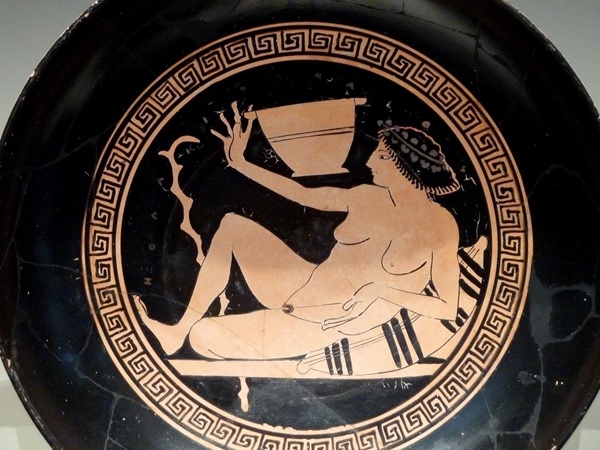
The Kama Sutra is often misunderstood as simply a manual of sexual positions, but its true legacy is much broader. Written in ancient India, it explores the art of living well, offering guidance on relationships, pleasure, and the emotional bonds that connect people. By looking past the myths, we discover a text that speaks to partnership, communication, and the pursuit of happiness, concepts that still resonate today. Beyond the Bedroom: The Real Scope of the Kama Sutra
The Kama Sutra is a work that moves well beyond the bedroom. It addresses how people can find fulfilment in all aspects of life, from love and intimacy to social rituals and personal growth. Its teachings are rooted in a holistic view of pleasure, one that values emotional connection and mutual respect as much as physical satisfaction. The text’s influence extends into art, literature, and even philosophy, shaping how generations have thought about desire and partnership.
Kama Sutra History and Its Cultural Roots
Kama Sutra history begins in ancient India, with the text attributed to Vatsyayana and likely composed between 200 BCE and 400 CE. Its origins are tied to a period of intellectual and cultural growth, when philosophy and spiritual inquiry flourished. The Kama Sutra was written for educated audiences, reflecting the social attitudes of its time and offering a window into the values and aspirations of ancient Indian society.
Over centuries, Kama Sutra history has been shaped by various interpretations and translations, each adding new layers to its meaning.
Ancient Indian Sexuality: More Than Just Pleasure
Ancient Indian sexuality was integrated into broader philosophical and spiritual frameworks. The Kama Sutra views intimacy as part of a balanced, harmonious life, not just a physical act. It explores how partners can cultivate trust, respect, and understanding, recognising that desire is a natural and important part of human experience.
Some sections of the text address the role of pleasure in personal development and social harmony. Ancient Indian sexuality, as described in the Kama Sutra, was about more than just sensation, it was about connection, growth, and the art of living well.
Kama Sutra Meaning in Everyday Life
Kama Sutra meaning goes far beyond the physical. It’s about how people relate to each other, build trust, and create lasting bonds. Ancient Indian sexuality and the teachings of the Kama Sutra encourage open communication, mutual pleasure, and shared responsibility in relationships.
For many, Kama Sutra meaning is found in its practical advice: how to approach courtship, how to resolve conflict, and how to nurture emotional intimacy. These lessons remain relevant, reminding us that pleasure and connection are deeply linked.
Partnerships, Courtship, and Social Rituals
Kama Sutra history includes detailed guidance on courtship, marriage, and partnership. The text describes rituals and customs that helped people form and sustain meaningful relationships. Ancient relationship guides like the Kama Sutra provided advice on everything from choosing a partner to maintaining harmony in daily life.
These sections highlight the importance of social context and shared values, showing how ancient people approached love and commitment. By exploring Kama Sutra history, we see how much thought went into building strong, respectful partnerships.
Ancient Relationship Guides: Lessons Still Relevant
Ancient relationship guides, including the Kama Sutra, offer insights that remain useful today. The text’s advice on communication, compromise, and mutual respect is timeless. Kama Sutra meaning is woven through its pages, encouraging us to see intimacy as part of a larger journey.
These guides remind us that relationships require effort and understanding. The lessons from ancient relationship guides help us navigate modern challenges, showing that the foundations of partnership haven’t changed much over time.
Intimacy, Communication, and Mutual Respect
Ancient Indian sexuality placed a strong emphasis on consent, honesty, and emotional connection. The Kama Sutra explores how partners can communicate their needs and desires, building trust through openness and empathy. Ancient relationship guides promoted these values as essential for lasting intimacy.
By focusing on communication and respect, the text offers a blueprint for healthy relationships. Ancient Indian sexuality, as reflected in the Kama Sutra, teaches us that true intimacy is built on understanding and shared experience.
What Ancient Texts Teach Us About Connection
Kama Sutra history and meaning come together in lessons about human connection. Ancient relationship guides encourage us to value pleasure, partnership, and emotional growth. These texts remind us that intimacy isn’t just about technique, it’s about the bonds we form and the lives we build together.
By learning from the past, we gain new perspectives on what it means to love and connect. The wisdom found in these ancient texts still has the power to enrich our relationships today.
The Kama Sutra offers more than a collection of positions; it’s a guide to living well, building strong partnerships, and finding joy in connection.
Discover more about intimacy, relationships, and ancient wisdom at Private Girls.