Sex work in ancient civilisations was a widespread social and economic institution shaped by law, custom, and belief. Prostitution existed across Mesopotamia, Greece, Rome, India, China, and Egypt, integrated into religious, legal, and commercial systems. Ancient brothels operated as regulated institutions, sometimes state-run or temple-affiliated, reflecting how societies managed sex work for practical and financial benefit. Sacred prostitution in temples linked sex to fertility rites and religious practice, particularly in Mesopotamia and Greek city-states. Escorts in ancient Rome served diverse clientele and sometimes gained considerable influence. Sex work intersected with power, class, and gender roles, with opportunities and risks varying by social status and legal context. Legal systems ranged from strict regulation and taxation to outright prohibition, shaping both the practice and perception of sex work. Ancient attitudes toward prostitution were complex and context-dependent, revealing how societies balanced intimacy, authority, and social order.
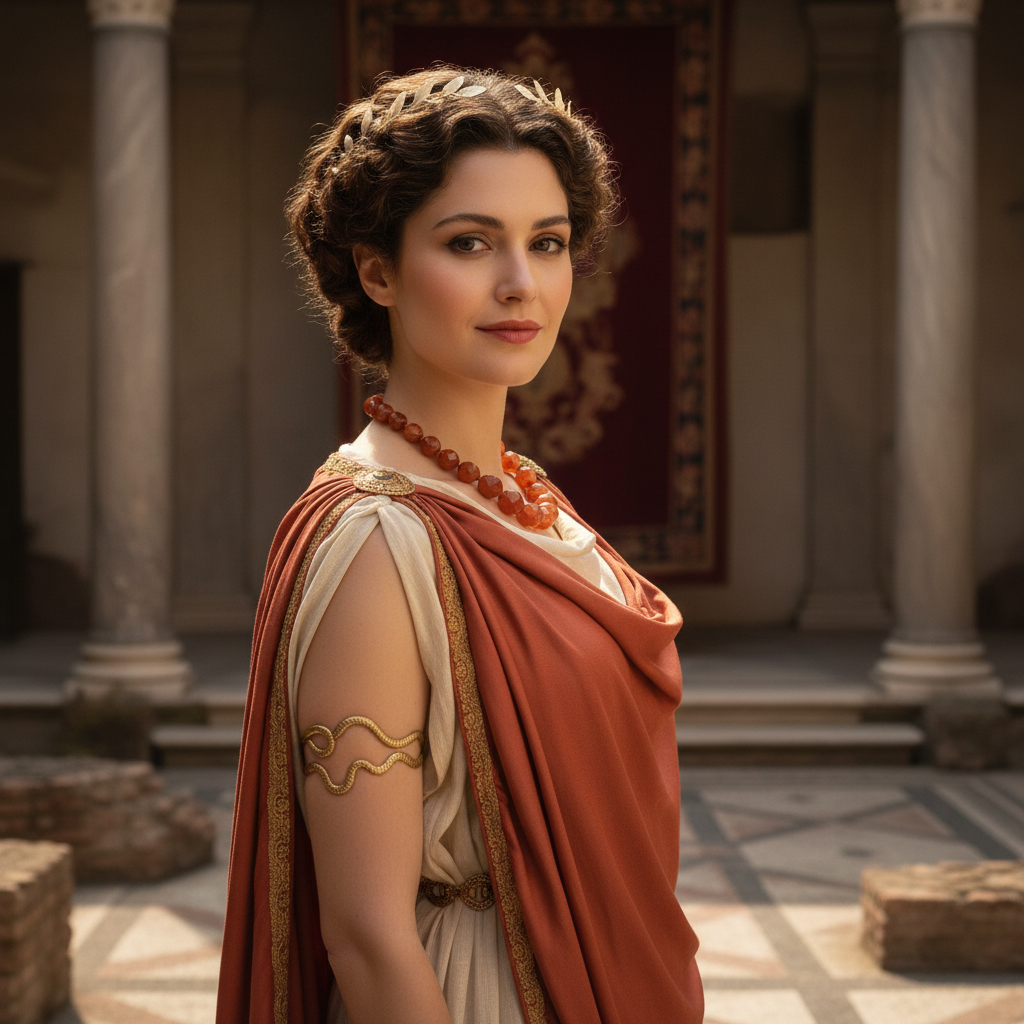
IMPACT ON SEXWORK, ON LAW, STATUS AND CULTURE WAS UNDENIABLE.
Across the world's oldest societies, sex work played a role that went far beyond private arrangements. In places like Mesopotamia, Greece, Rome, India, China, and Egypt, prostitution became woven into the fabric of daily life, shaping how people thought about love, power, and social order. While the details changed from one region to another, the impact of sex work on law, status, and culture was undeniable. By looking at these early practices, we can see how attitudes toward intimacy and authority were forged in the ancient world.
The History of Prostitution Across Civilisations
The history of prostitution in ancient times is long and complex. We see evidence of sex work in nearly every civilisation, from temple records in Mesopotamia to legal documents in ancient Greece and Egypt. Sex work was often accepted as part of urban life, and in some places, it was even regulated by the state.These roles weren't always stigmatised; sometimes, they were integrated into religious, social, and economic systems. The way prostitution developed in each society depended on local customs, laws, and beliefs about gender and morality.
Sex Work as Economic and Social Currency
Sex work wasn't just about personal relationships; it was deeply tied to economics and social status. Escorts in ancient Rome and other societies could earn a living and sometimes gain influence through their work.
Payments for services provided income to individuals and, in some cases, revenue for temples or city governments. People from all walks of life, rich and poor, free and enslaved, engaged with sex work in some form. This economic dimension shows how prostitution is connected with broader issues of power, class, and opportunity.
Ancient Brothels as Regulated Institutions
Ancient brothels were often legal and sometimes run or taxed by authorities. In places like Rome and Greece, brothels could be found in busy city centres or near marketplaces.
These venues ranged from basic to luxurious, reflecting the diversity of clients and workers. Some brothels operated as state enterprises, while others were private businesses. The existence of ancient brothels also points to the effort societies made to control, manage, or benefit from sex work. These institutions reveal how public attitudes toward prostitution were shaped by practical concerns as much as by moral ones.
Sacred Prostitution Within Temple Walls
Sacred prostitution refers to ritualised sex acts that took place in temples, most famously in Mesopotamia and some Greek city-states. These practices were often linked to fertility cults and religious ceremonies, with sex seen as a way to honour the gods or ensure a good harvest.
While the reality of sacred prostitution is debated among scholars, there's evidence that temple-based sex work existed in some form. The connection between sex and spirituality in these contexts highlights how ancient people understood intimacy, power, and the divine.
Wealth, Status, and Intimate Labour
Prostitution intersected with wealth and social status in complex ways. High-status courtesans and companions could move in elite circles, while others worked in more modest settings, such as ancient brothels. The history of prostitution shows that sex work was both a means of survival and, for some, a path to influence or financial stability. The opportunities and risks varied widely depending on gender, class, and the laws of the time.
Escorts in Ancient Rome: Clients and Influence
Escorts in ancient Rome included both men and women, serving a range of clients from commoners to the wealthy elite. Some escorts gained considerable power or fame, especially those who entertained influential patrons.
The roles and expectations for escorts in ancient Rome were shaped by the city's legal and social systems. In some cases, sacred prostitution practices influenced the way sex work was understood and regulated. The diversity of experiences among escorts in ancient Rome illustrates the many ways sex work intersected with politics, economy, and daily life.
How Laws Shaped the Sex Trade
The history of prostitution is also a story about law and regulation. Laws ranged from strict controls and taxes to outright bans, depending on the time and place.
In some societies, sacred prostitution was protected or even encouraged, while in others, it was forbidden. Ancient brothels might be licensed, inspected, or taxed, showing the practical side of governance. Legal systems shaped not only how sex work was practised but also how it was perceived by the wider community.
What Ancient Attitudes Reveal About Power
Attitudes toward sex work in the ancient world were never simple. Ancient brothels and escorts in ancient Rome were both accepted and stigmatised, depending on context.
These views reflected broader questions about gender, control, and social order. The way ancient societies managed prostitution tells us as much about power and authority as it does about intimacy or desire. By examining these attitudes, we gain insight into how love, law, and influence were balanced in early civilisations.
Sex work in ancient civilisations was shaped by a mix of law, custom, and belief. Looking at its many forms shows how love and power influenced society's oldest institutions.
Explore how ancient intimacy practices shape modern understanding of pleasure and connection at Private Girls.