Babylonian temples weren’t background scenery. They were among the city’s most powerful institutions, managing resources, organising labour, and setting the rhythm of public life through ritual and festival. In that world, the sacred didn’t sit apart from the everyday. It ran through it. What people offered, what they wore, where they walked, and who could be seen in which spaces all carried meaning.
Deities such as Inanna and Ishtar linked desire with authority, so intimacy could be described as more than a private feeling. It could signal legitimacy, status, and consequence. That’s why Babylon attracts dramatic retellings. Stories about temple sex, especially those repeated by later Greek and Roman writers, have travelled for centuries because they’re vivid. Modern scholarship often disputes the neatest versions, including the idea of organised “sacred prostitution”, so the more useful approach is to separate evidence from later claims and keep the focus on what the material consistently shows: enduring tales of the history of sacred prostitution in ancient Babylon.
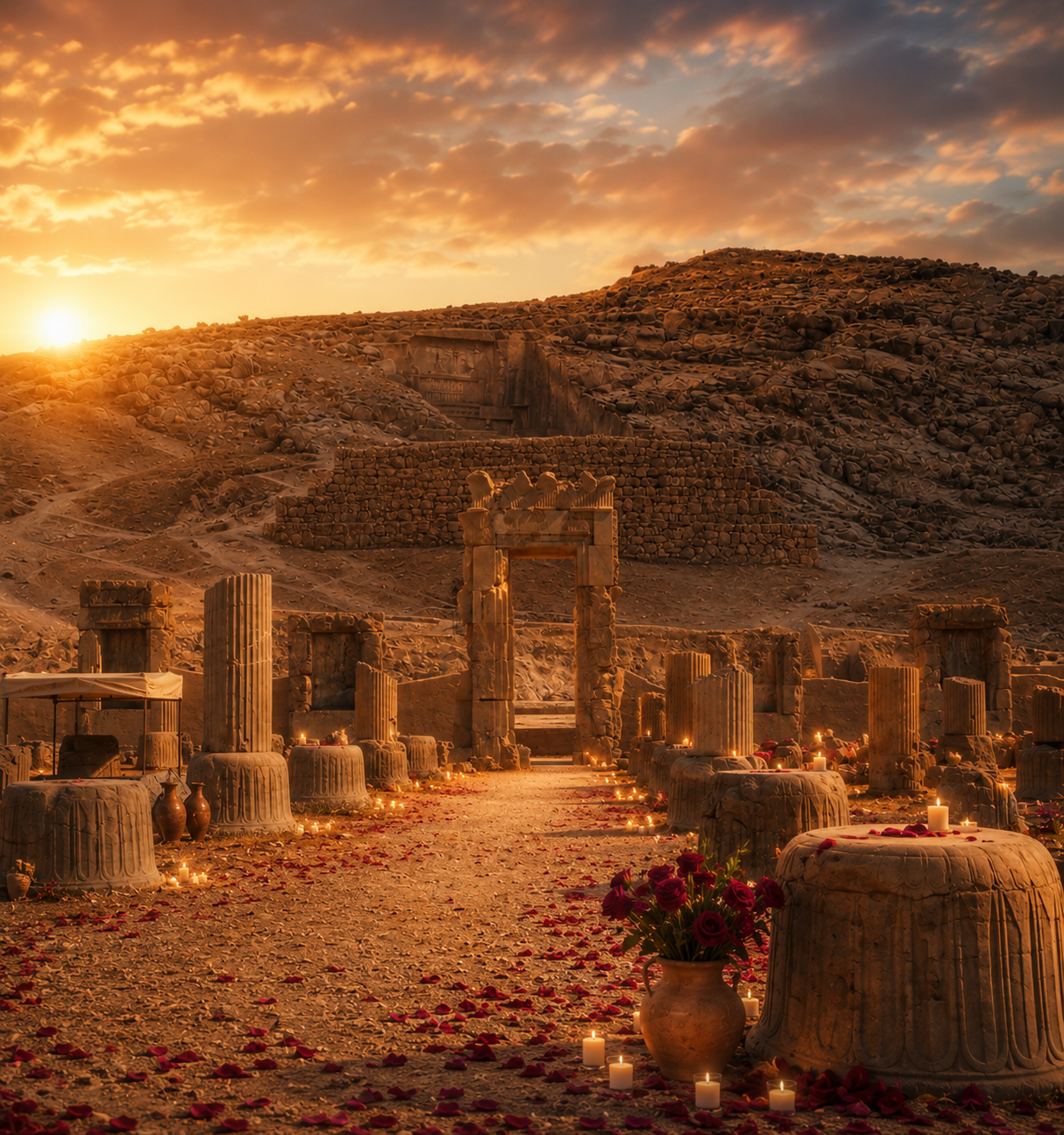
Inside A Mesopotamian Temple: Economy, Community, And Worship
When we picture a Babylonian temple, it’s easy to imagine a quiet religious space. In reality, temples in Babylonia were major institutions that helped run the city. They managed land and labour, stored goods, and coordinated offerings and production. Temple precincts could also serve as hubs for textile production and administration, meaning the sacred and the practical were always intertwined.
That scale matters because it changes how we read every later claim. A temple was not only a place to pray. It was a workplace, a storehouse, a public stage, and a centre of authority. In that setting, stories about devotion and desire sit beside questions of hierarchy. The history of sacred prostitution in ancient Babylon shows us it wasn’t separate from governance. It was part of how order was explained and maintained.
How ancient Babylon temple rituals Shaped Daily Life And Social Order
Ritual wasn’t only about belief. Repeated public practice reinforced hierarchy and belonging. We can think of ancient Babylon temple rituals as a shared civic language, expressed through festivals, processions, formal roles, and scheduled offerings. These actions created continuity and helped people understand what was expected of them, not just spiritually but socially.
Temple routines also shaped boundaries between public and private conduct. That included who could serve, who could be seen, and how respectability was judged. The point isn’t that ritual controlled every detail of life. It’s that repetition that makes authority feel normal. When a city rehearses its order in public, it becomes easier to treat that order as natural.
Inanna And Ishtar: Love, Desire, And Divine Authority
Inanna, later closely associated with Ishtar, is the clearest anchor for the language of love and sexuality in Mesopotamia. She isn’t only a gentle figure of romance. Across traditions, she’s linked to desire and fertility, as well as to power and conflict. That combination makes her a strong symbol for how ancient societies connected intimacy to status and consequence.
When we read hymns and myths, we see how Babylon's sacred sexuality rituals could be treated as creative, disruptive, and politically meaningful. Desire could legitimise, threaten, or transform. Love wasn’t only personal. It could be a way to describe authority and to explain why certain people were elevated while others were judged.
What We Know About Festival Life, Offerings, And Public Devotion
Temple life was most visible during festivals, when the relationship between city and deity moved into public space. We see patterns of processions, music, feasting, and formal presentation of offerings. These weren’t casual gatherings. They were organised events that reinforced who belonged, what was owed, and what order looked like. Public devotion was also public messaging.
Within that ceremonial world, the sacred marriage ritual in Babylon is often discussed as a way communities expressed renewal and stability. Even when details are debated, the broader point is consistent. Ritual language used household, fertility, and union as symbols for continuity. In a city built on hierarchy, those symbols did more than decorate belief. They helped hold it together.
Why The Sacred Marriage Ritual Babylon Mattered For Legitimacy And Fertility
The sacred marriage ritual is frequently associated with kingship and the idea that rule requires divine approval. In simple terms, it offered a story of renewal. The land is made fruitful, the city is protected, and authority is confirmed. That’s why it’s often treated as more than a religious performance. It’s a political statement expressed in sacred terms.
We also need to be careful about modern assumptions. Ancient texts can be poetic, political, or symbolic, and they don’t always map neatly onto literal events. Still, the ritual’s purpose is clear in how it links fertility to legitimacy. The sacred marriage ritual in Babylon shows how governance can be framed as a sacred responsibility, and how intimacy can be used as a language of power.
Greek And Roman Accounts: What Outsiders Said About Babylon
Some of the most famous claims about Babylon come from outsiders writing for their own audiences. Greek and Roman authors often described foreign cultures in ways that highlighted difference, excess, or moral warning. That doesn’t make every detail false, but it does mean we should treat these accounts as shaped by storytelling goals. Outsider writing often reveals as much about the writer’s values as the culture being described.
This is where the well-known “sacred prostitution” story appears, commonly associated with Herodotus. It’s often repeated as if it’s a settled fact, but modern scholarship disputes whether the evidence supports an institutionalised system of temple sex as popularly described. In this context, the history of sacred prostitution in ancient Babylon can show claims designed to shock, entertain, or instruct.
What Babylon sacred sexuality rituals Reveals About Status And Respectability
Babylon sacred sexuality rituals weren’t only about private relationships. It intersected with class, gender, and reputation. Respectability could be shaped by family roles, public visibility, and expectations around behaviour. In many societies, what mattered wasn’t only what people did, but how it was interpreted by others, and who had the authority to interpret it.
That’s why Babylon's sacred sexuality rituals are best understood as social meaning, not only personal desire. The same action could be framed differently depending on status and context. When we look at ancient sources, we often see debates about order, including who has authority, who is protected, and who is judged. Those debates are rarely neutral, and women often carry the consequences.
The Problem With “Temples Of Love” As A Modern Label
Calling these spaces “temples of love” can flatten a complex reality into a single theme. It suggests a purpose that aligns more with modern fantasy than with ancient administration. Temples were religious, economic, and political institutions, and their rituals served multiple functions. Temple precincts dedicated to major deities were tied to civic identity, not private indulgence.
The label also encourages us to treat disputed claims as certainty. Some categories of temple personnel are complex and debated, and they aren’t automatic evidence of sex work. ancient Babylon temple rituals deserve careful language that separates what’s attested from what’s assumed, especially when later sources are sensational. The more vivid the claim, the more important the evidence becomes.
From Ancient Myth To Modern Intimacy: What Still Shapes How We Talk About Desire
Ancient stories still influence modern language about desire, morality, and legitimacy. We inherit narratives that link sexuality to virtue, danger, or power, and we often repeat them without noticing. When we look back, we can see how easily intimacy becomes a stage for social judgement, and how quickly women are turned into symbols rather than people.
That’s why stories from the history of sacred prostitution in ancient Babylon remain relevant now. They help us notice when private choices are treated as public evidence, and when myths are used to justify control. The modern shift is that intimacy can be framed with clearer consent, clearer boundaries, and more direct agency, especially for women who choose to provide companionship on their own terms.
When we look at Babylon through a modern lens, it’s tempting to chase the most dramatic version of the past. A better approach is to treat temples as institutions and myths as meaning-making, not gossip. That gives us a clearer view of how ancient societies tied intimacy to authority, and why those links still echo today.
Explore modern intimacy at Private Girls for clarity, discretion, and respect.